
Understanding the Benefits of Visiting a Skin and Laser Clinic in Bundoora
- Written by MISS.com.au
Introduction
In recent years, the popularity of cosmetic procedures has surged, with many individuals seeking ways to enhance their appearance and improve their skin health. If you are considering cosmetic treatments, visiting a Skin and Laser Clinic Bundoora could be an excellent option. These clinics offer a variety of services designed to address common skin concerns and enhance overall appearance. This blog will discuss the benefits of visiting a skin and laser clinic and what you can expect during your treatment journey.
What is a Skin and Laser Clinic?
A skin and laser clinic specializes in non-invasive and minimally invasive treatments aimed at improving the skin's appearance and health. These clinics often provide services such as laser hair removal, skin rejuvenation, acne scar treatments, and more. By utilizing advanced technologies and techniques, these clinics help clients achieve their desired results while prioritizing safety and effectiveness.
Benefits of Choosing a Skin and Laser Clinic
- Personalized Treatments
One of the main advantages of visiting a skin and laser clinic is the tailored treatment plans. Everyone's skin is unique, and a professional consultation ensures that you receive a treatment plan suited to your specific needs and goals. Practitioners will assess your skin type, discuss your concerns, and recommend the best procedures to achieve your desired outcomes.
- Advanced Technology
Skin and laser clinics invest in the latest technology to offer effective treatments. From advanced laser systems to cutting-edge skincare products, you can expect to receive the best care available. These technologies not only enhance treatment efficacy but also improve safety during procedures.
- Expert Practitioners
When you visit a skin and laser clinic, you are often treated by qualified professionals with extensive training and experience in cosmetic treatments. Their expertise ensures that you receive safe and effective care, with practitioners available to answer your questions and provide support throughout the process.
- Diverse Treatment Options
A wide range of services is available at skin and laser clinics. Common treatments include:
- Laser Hair Removal: A long-term solution for unwanted hair, offering smooth skin without the need for frequent shaving or waxing.
- Skin Resurfacing: Techniques such as fractional laser treatments help reduce wrinkles, fine lines, and scars, rejuvenating your skin’s appearance.
- Acne Treatment: Specialized treatments targeting active acne and scars, promoting clearer skin and boosting confidence.
- Skin Tightening: Non-surgical procedures that stimulate collagen production, helping to improve skin elasticity and reduce sagging.
- Improved Skin Health
Regular visits to a skin and laser clinic can significantly improve your skin health. Treatments such as chemical peels, facials, and laser therapies address various skin concerns, promoting a radiant and youthful complexion. As a result, you may notice reduced pigmentation, improved texture, and an overall healthier appearance.
What to Expect During Your Visit
During your initial consultation, the practitioner will evaluate your skin and discuss your concerns and goals. This assessment may involve a skin analysis to determine the best treatment options for you. After deciding on a treatment plan, the practitioner will explain the procedure, potential side effects, and aftercare instructions to ensure optimal results.
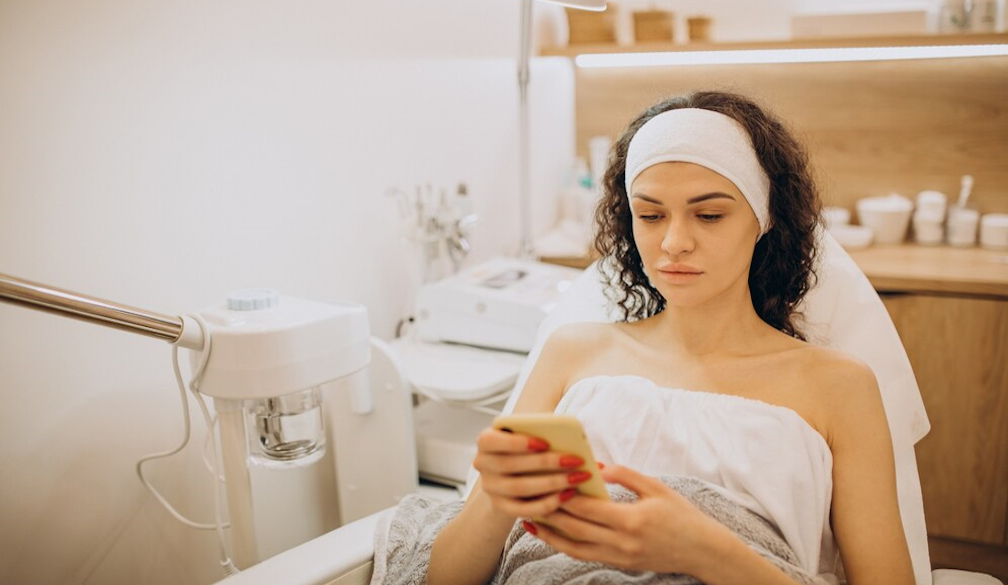
On the day of your treatment, you can expect a comfortable and professional environment. Most procedures are relatively quick, and many patients can return to their daily activities shortly after treatment.
Post-Treatment Care
After receiving treatment at a skin and laser clinic Bundoora, following the post-care instructions provided by your practitioner is essential. Proper care can significantly impact the results of your procedure and help maintain your skin’s health. This may include avoiding sun exposure, using specific skincare products, and scheduling follow-up appointments as recommended.
Conclusion
Choosing to visit a skin and laser clinic can be a transformative experience for your skin health and appearance. With personalized treatments, expert practitioners, and access to advanced technology, you can confidently embark on your aesthetic journey. If you're considering cosmetic treatments, a Skin and Laser Clinic Bundoora could be the ideal place to start.